
One Last Walk Through Chinatown: Saying Goodbye to My Sony Carl Zeiss 24–70mm f/4
Some gear leaves quietly.
Other pieces deserve a proper send-off.
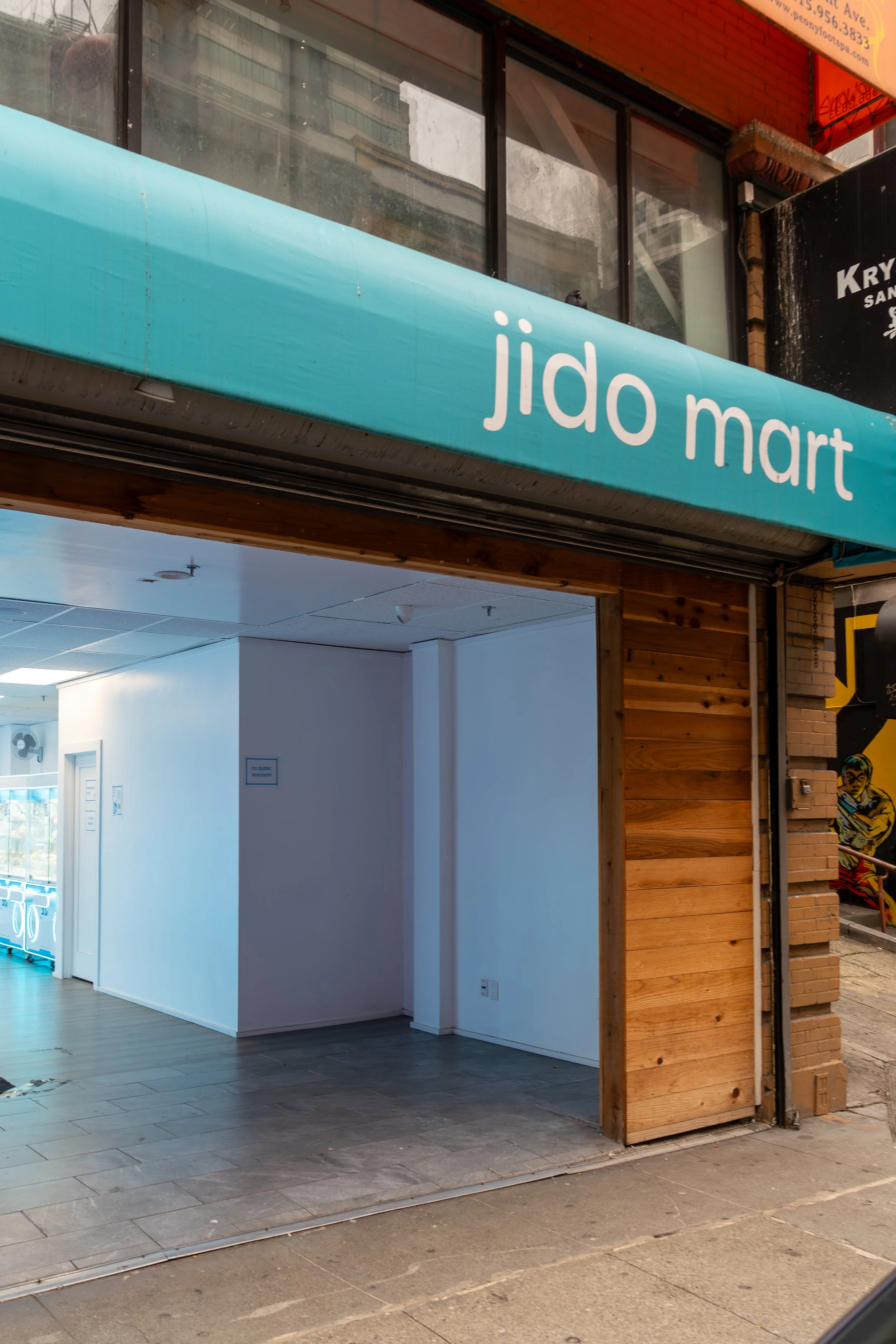
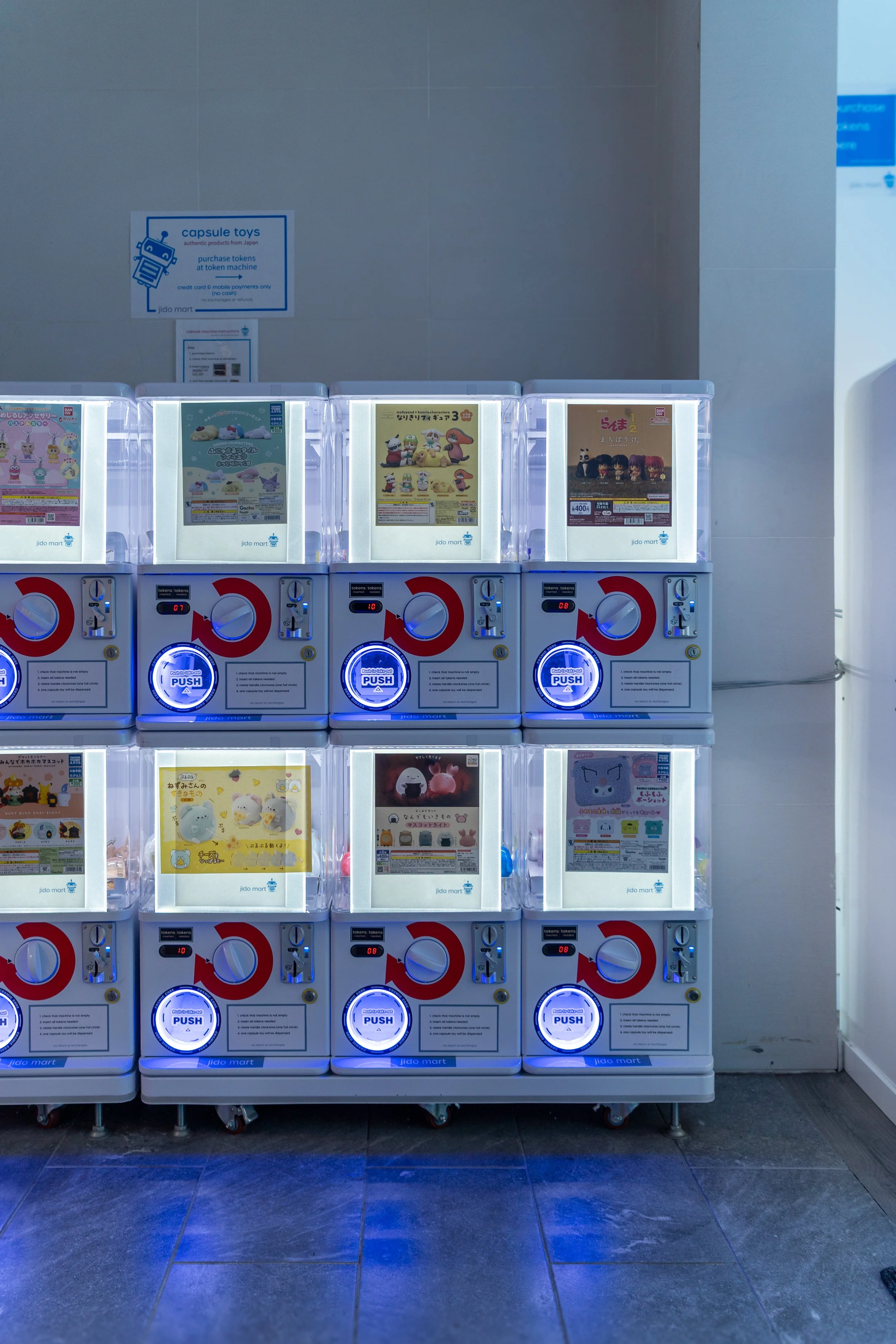
After a recent photoshoot here in San Francisco, I decided to take a long walk through Chinatown — camera in hand — on what ended up being my last day shooting with the Sony Carl Zeiss 24–70mm f/4.
This wasn’t planned.
It just felt right.
I walked toward the Leica Store San Francisco, passed another downtown camera shop (not exactly the friendliest vibe — but that’s okay), and wandered through streets that have become part of my creative routine since moving to the city.
It felt like closing a chapter.
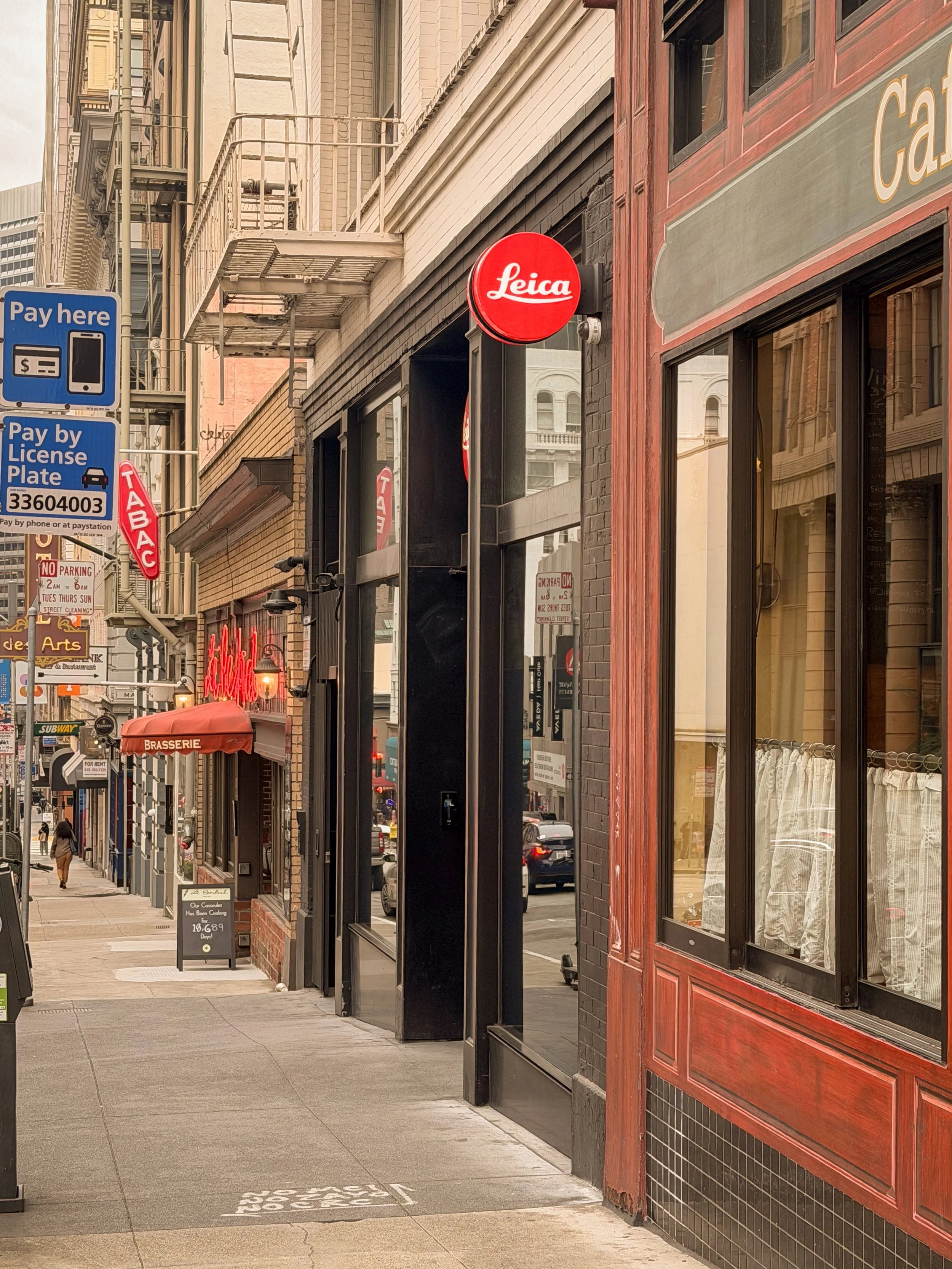
The Lens That Helped Me Start in San Francisco
When I first arrived in SF, this lens was one of my smartest early moves.
I picked up the Sony Carl Zeiss 24–70mm f/4 for $200 on Facebook Marketplace — an absolute steal, and honestly, a huge reason I was able to hit the ground running here.
This lens helped me:
Explore the city confidently
Shoot real estate, street, and lifestyle work
Build momentum in a new market
Launch my photography presence in San Francisco
For the price, it punched way above its weight.
And for a while, it was exactly what I needed.
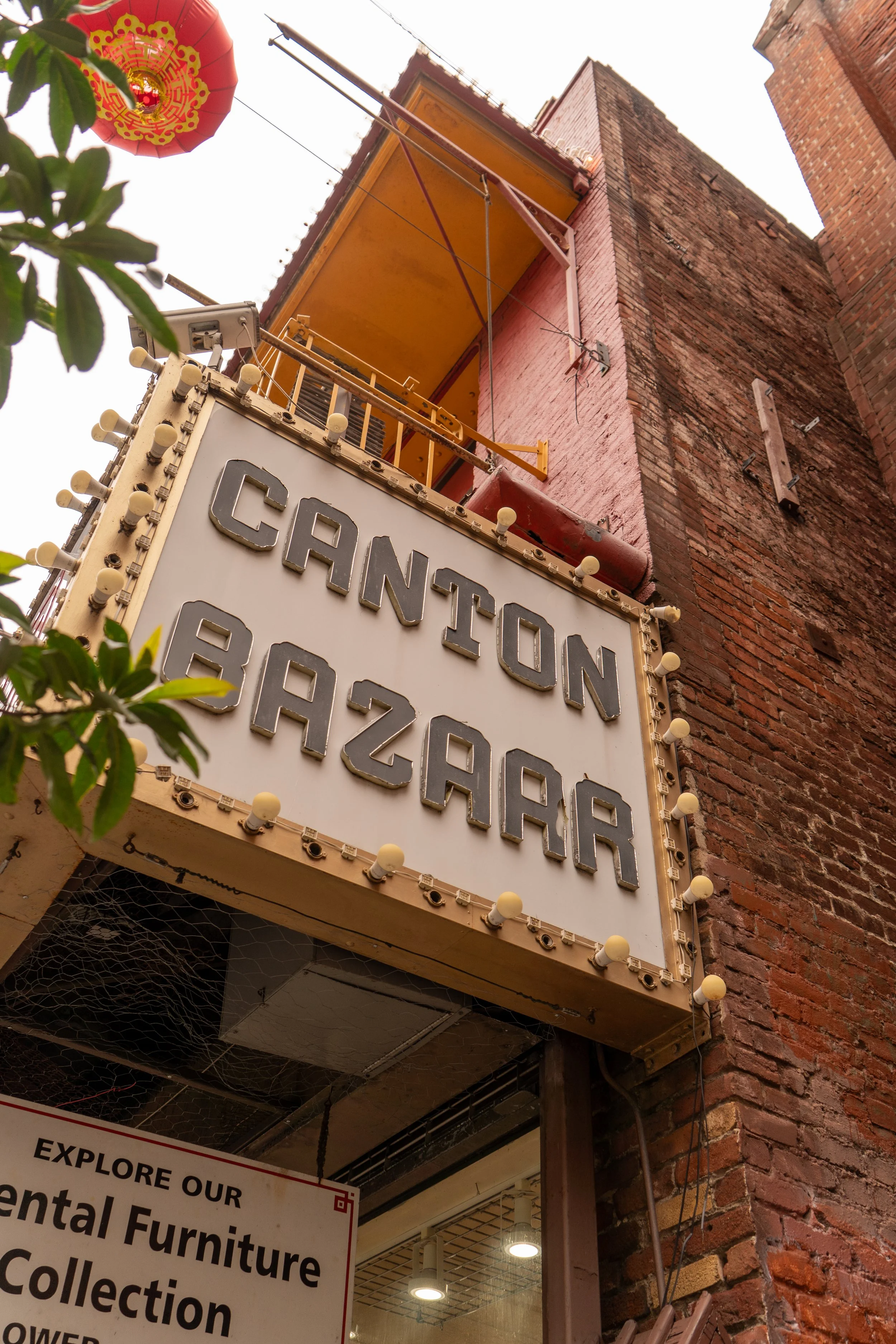
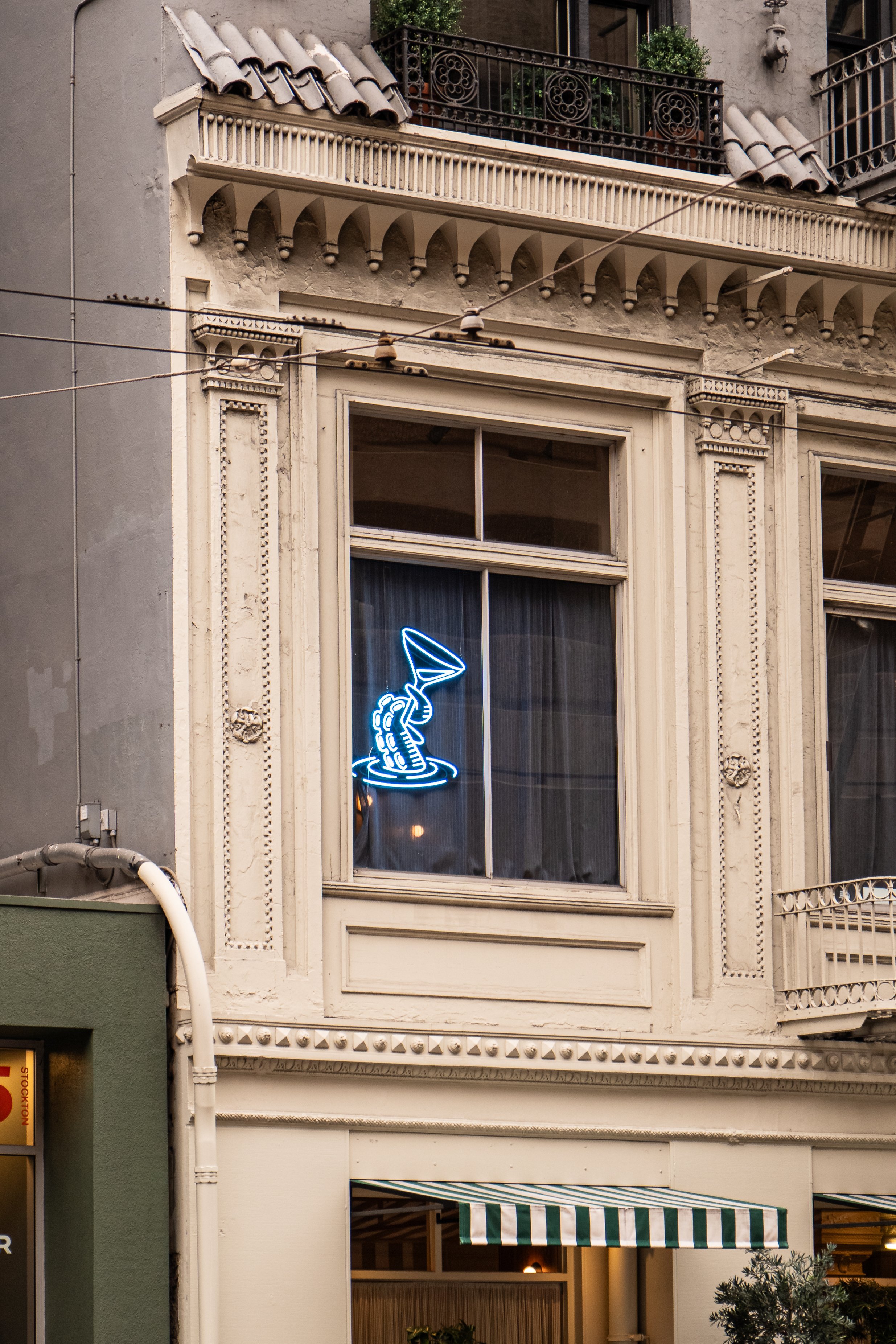
When “Good” Gear Starts Slowing You Down
As my work evolved, though, so did my needs.
Paired with the Sony A7C, the Zeiss 24–70mm f/4 began to show its age — especially when it came to autofocus consistency. Missed focus moments, slower lock-on, and hesitation in fast-moving scenes started to add friction to my workflow.
It wasn’t a bad lens.
It was just… an older one.
And when you’re shooting in a city like San Francisco — with motion, people, unpredictable light, and quick moments — autofocus matters.
A lot.
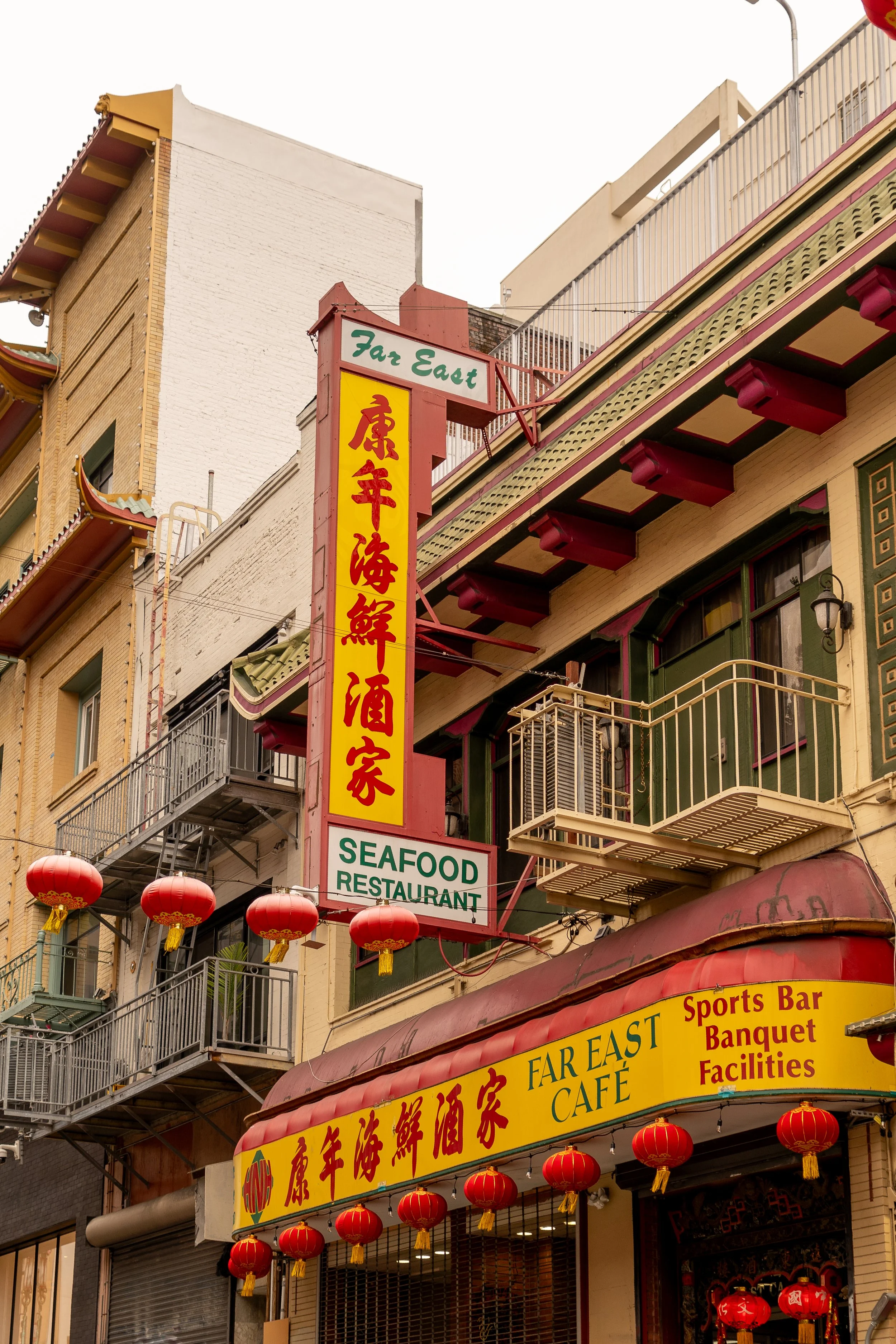
A Final Walk: Chinatown, Street Frames, and Letting Go
That’s why this walk through Chinatown felt meaningful.
No rush.
No client pressure.
Just documenting textures, storefronts, signs, people, and light — the kind of street photography that made me fall in love with shooting in cities in the first place.
This lens captured:
Neon reflections
Quiet street corners
Passing cars and pedestrians
That unmistakable SF energy
And it did so one last time.
The Upgrade I Thought About for Months
This decision wasn’t impulsive.
For months, I debated whether it was time to step into what many photographers consider a true workhorse zoom — the Sony 28–70mm f/2.8 GM I.
It’s not cheap.
Even used, it’s still just over $1,000.
But it’s also:
A go-to lens for professionals
Known for fast, reliable autofocus
Sharp edge-to-edge
Built for both photo and video
Eventually, I took the plunge and purchased it used through MPB, which made the upgrade far more manageable.
That lens deserves its own blog post — and trust me, it’s coming.
Why I Chose Sony GM Glass Over Other f/2.8 Options
There’s no shortage of excellent f/2.8 zooms right now — and for a lot of photographers, third-party glass makes total sense. Here’s how I realistically weighed the options before choosing Sony GM.
Sony 28–70mm f/2.8 GM
Best-in-class autofocus reliability
Seamless Eye AF and subject tracking
Designed specifically for Sony bodies
Strong performance for both photo and video
This lens is about confidence. It just works — no hesitation, no surprises.
Sigma 24–70mm f/2.8 Art
Extremely sharp optics
Slightly heavier build
AF is good, but not always as consistent in fast-moving scenes
Amazing image quality, but for my shooting style, autofocus consistency mattered more than lab-tested sharpness.
Tamron 28–75mm f/2.8
Lightweight and affordable
Solid everyday performance
AF can feel less predictable in challenging light
Great value, especially for newer shooters — but I wanted something built for long-term, professional use.
The Bottom Line
All three lenses can produce great images.
But when you’re shooting street, real estate, lifestyle, and video in a fast city, reliability matters more than saving a few hundred dollars.
I chose Sony GM because it’s native, predictable, and fully optimized for my camera — and that confidence shows up in the work.
Why This Upgrade Was Inevitable
As my work grows, my gear has to support me — not slow me down.
Between:
Real estate shoots
Lifestyle content
Street photography
Video work as a content creator
I needed a lens that could keep up with intention and speed, especially in a city that never really pauses.
The Zeiss f/4 helped me get here.
The GM f/2.8 is helping me move forward.
Both can be true.
Gratitude for the Gear That Got Me Started
I truly appreciate this lens for what it gave me.
It:
Opened doors creatively
Helped me build confidence in a new city
Proved that you don’t need the most expensive gear to make strong work
And that’s something I’ll always stand by.
Sometimes the right gear isn’t about perfection — it’s about timing.
What’s Next
In the next post, I’ll be:
Unveiling the Sony 28–70mm f/2.8 GM I
Sharing first impressions from real-world shooting
Comparing it directly to the Zeiss f/4
Breaking down whether the upgrade is actually worth it
If you’re navigating gear upgrades as a photographer or content creator, you’ll want to see that one.